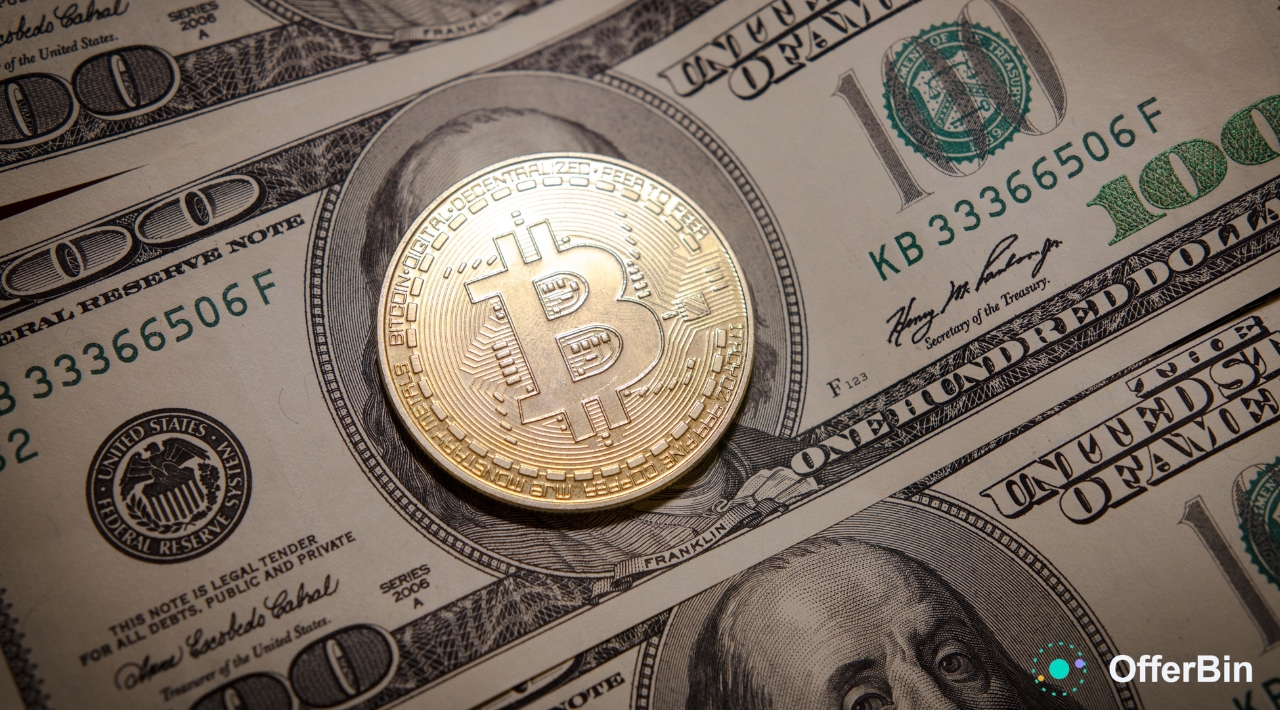
Many Bitcoin holders struggle with one question: how to spend Bitcoin without making the process complicated or costly? As cryptocurrency adoption grows, more retailers, online services, and payment providers now accept Bitcoin and other digital assets, while crypto debit cards make everyday purchases easier than ever. At the same time, converting crypto to USD through a trusted wallet or exchange has become faster, though users should understand verification, authentication, and potential taxable events before using crypto.
This guide explains the best ways to spend Bitcoin, from using a Coinbase Card, a BitPay card, or a Crypto.com card to paying merchants that accept Bitcoin directly.
How to Spend Bitcoin in Everyday Life
Using Bitcoin for purchases is getting simpler because more merchants now accept crypto payments for goods and services. You can pay with Bitcoin directly at retailers, especially for online purchases and subscriptions, by scanning a QR code or using a crypto payment processor. Alternatively, you may buy gift cards with bitcoin, prepay bills, or use crypto for food delivery apps and ride-sharing like Uber. Bitcoin spending for groceries, home improvement, and even some ecommerce platforms is increasing as acceptance of bitcoin grows in both digital and local currency payment options.
Using Bitcoin Debit Cards for Everyday Purchases
What Is a Bitcoin Debit Card?
A bitcoin debit card lets you spend crypto at any Visa or Mastercard retailer by seamlessly converting it to local currency at checkout. These cards draw funds from your bitcoin wallet and work with a point-of-sale terminal almost everywhere you’d normally use traditional debit cards.
Top Crypto Debit Card Providers
Providers like BitPay, Coinbase Card, Crypto.com, and Gemini offer leading crypto debit cards supporting major cryptocurrencies, including bitcoin. They provide integration with major payment networks such as Visa or Mastercard, thus facilitating straightforward use at millions of global merchants and online retailers.
Linking Your Bitcoin Wallet to a Card
After setting up your crypto debit card account, you must connect your bitcoin wallet for transactions. This typically requires basic KYC verification and wallet address authentication, ensuring only you can transfer funds for your everyday spending or online purchases.
Advantages and Limitations
- Spend your bitcoin without converting it manually to fiat.
- Accepted at Visa and Mastercard retailers globally.
- Instant conversion at the current market rate for local currency.
- Transaction fees, additional fees, or limitations may apply.
- Some cards offer cashback or rewards in cryptocurrencies.
Converting Bitcoin to USD and Other Fiat Currencies
Steps to Convert Bitcoin to Cash
You can convert Bitcoin to USD or other fiat currencies through a crypto exchange, wire transfer, or money services platform. Typically, you sell Bitcoin on an exchange, withdraw funds to your bank account, and use the cash for everyday expenses or major purchases.
Popular Exchange Platforms
Platforms like Coinbase, Gemini, and Kraken are prominent for exchanging Bitcoin or other cryptocurrencies for USD. They facilitate direct deposits, which enables you to use your converted crypto for goods and services or cash withdrawals.
Timeframes and Fees
Most exchanges process transactions within 1-3 business days, although some offer instant conversions for an extra fee. Fees vary by platform and withdrawal method, so always check the total costs before making a transaction.
Payment Gateways and Merchant Adoption
Major Retailers and Service Providers Accepting Bitcoin
Retailers such as Overstock and Home Depot, as well as digital platforms like Spotify and food delivery services, accept bitcoin payments. Their acceptance of bitcoin either stems from direct integration with processors or by offering gift cards redeemable for bitcoin or other cryptocurrencies.
Integrating Crypto Payments for Businesses
Businesses can integrate crypto payment gateways such as BitPay or Coinbase Commerce to accept bitcoin directly. This broadens their customer base and offers flexible payment options, providing an edge in modern ecommerce environments.
Managing and Using Your Bitcoin Wallet
Types of Bitcoin Wallets
- Hardware wallets provide superior security and offline storage.
- Software wallets offer maximum accessibility for frequent transactions.
- Mobile wallets enable convenient on-the-go payments via QR code.
- Web wallets are easy to set up and integrate with exchanges.
Security Best Practices
- Always enable two-factor authentication on your Bitcoin wallet.
- Use strong, unique passwords for each crypto service.
- Keep your wallet’s private keys stored offline, if possible.
- Regularly update software and applications to patch security vulnerabilities.
Sending and Receiving Payments
To send crypto, enter the recipient’s wallet address and the amount, then authorize the transaction. When receiving, provide your wallet address or display your wallet’s QR code to the sender for a straightforward transfer.
Tax Considerations When Using Bitcoin
Recording Crypto Transactions
- Record every crypto payment or transaction with date, amount, and market value.
- Keep detailed transaction logs for tax season.
- Use portfolio tracking tools to help streamline crypto transaction history.
Capital Gains and Tax Events
- Spending bitcoin, converting it to fiat, or using it to buy goods is a taxable event.
- You may owe capital gains taxes if the bitcoin value increased since you acquired it.
Tips for Efficient Bitcoin Spending
- Compare transaction and exchange fees to minimize extra costs.
- Use crypto debit cards for faster, real-time transactions at grocery stores or retailers.
- Monitor exchange rates and crypto charts before converting or spending crypto, helping you choose a better time for purchases.
- Avoid converting bitcoin unnecessarily if a retailer accepts crypto payments directly.
Future Trends in Bitcoin Spending
Innovations in crypto payments, such as instant settlements and lower transaction fees, will likely encourage broader use of bitcoin for everyday spending. More merchants and service providers will start to accept bitcoin directly, gradually increasing acceptance in both physical and online retail spaces.
Conclusion
Bitcoin spending is evolving, with crypto debit cards and USD conversion offering significant flexibility for everyday purchases and bill payments. You can spend bitcoin at retailers like Home Depot or Overstock, buy gift cards, or even pay for digital subscriptions. Using a bitcoin debit card makes it possible to pay with crypto at any Visa or Mastercard merchant and enables seamless integration with your bitcoin wallet. Additionally, efficient management, adherence to tax regulations, and awareness of exchange rates are essential for maximizing the benefits of your digital assets. How are you planning to spend your bitcoin this year?
FAQs
1. What is the best way to spend bitcoin for daily expenses?
Using a crypto debit card is the easiest way to pay with bitcoin at most retailers and online platforms.
2. Can I use bitcoin to buy groceries or pay for services like Uber?
Yes, you can spend bitcoin using crypto cards or by purchasing gift cards for services like groceries or Uber.
3. Which retailers accept bitcoin directly for payment?
Retailers like Overstock, Home Depot, and some online merchants accept bitcoin directly or via payment processors.
4. How can I convert bitcoin to USD quickly?
You can quickly convert bitcoin to USD through major exchanges like Coinbase or Gemini and withdraw to your bank account.
5. Do I have to pay tax when spending bitcoin?
Yes, spending or converting bitcoin is a taxable event; always record transactions for capital gains tax reporting.
6. What are the transaction fees for using bitcoin debit cards?
Fees vary by provider but typically include network fees and possible conversion or withdrawal charges.
7. What type of bitcoin wallet is best for everyday spending?
Mobile wallets or web wallets offer the most convenience for everyday crypto spending and in-store payments.
8. How do businesses start accepting bitcoin?
Businesses integrate payment gateways like BitPay or Coinbase Commerce to accept bitcoin and other cryptocurrencies.
9. Can I pay bills or subscriptions using bitcoin?
Yes, you can pay bills and subscriptions either through specific crypto payment services or by converting to USD first.
10. Are bitcoin debit cards safe to use?
Bitcoin debit cards are secure if you use good security practices like two-factor authentication and trusted providers.